


Dear FFTC,
I’m hearing a lot about the One Big Beautiful Bill and the recent changes to the tax code. As a nonprofit leader, I’m concerned about how these changes could affect charitable giving. Should we be worried about a decline in donations, and what can our organization do to help donors navigate the new rules?
– Concerned Nonprofit Executive
You’re not alone in asking this question. Many nonprofit leaders are trying to understand how the One Big Beautiful Bill will affect philanthropy and donor behavior.
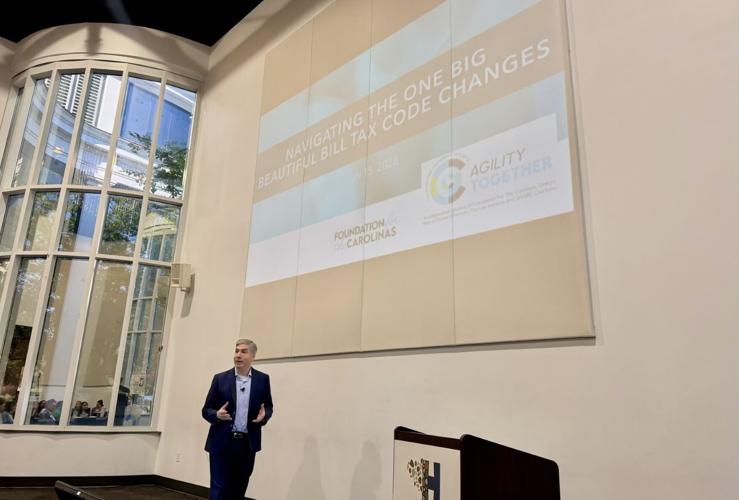
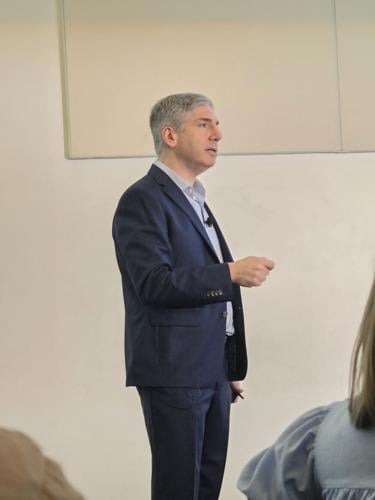
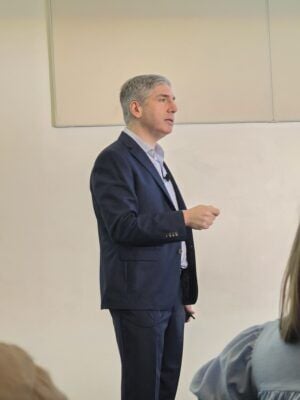
At Agility Together, Doug Benson helps nonprofit leaders understand the charitable giving implications of the One Big Beautiful Bill.
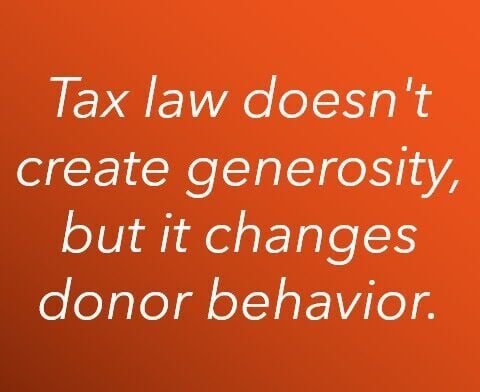
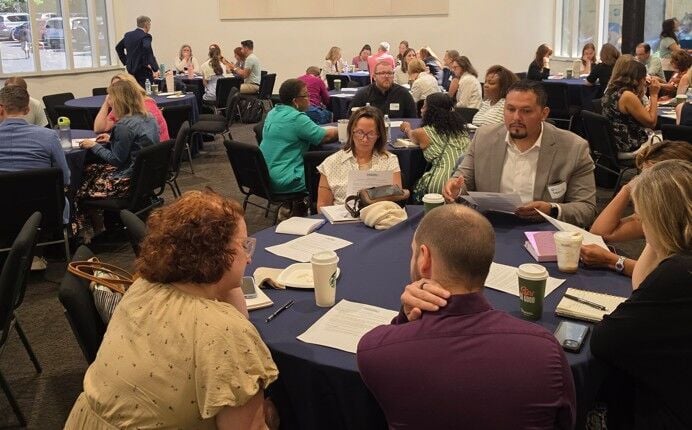
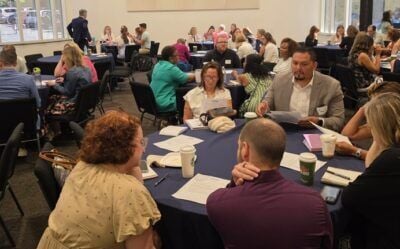
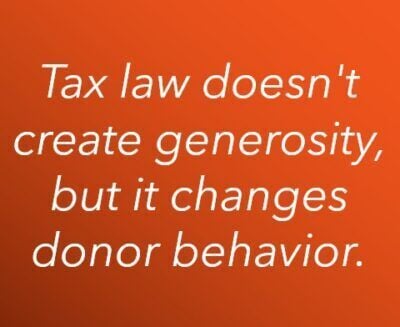
As part of a recent Agility Together session, I had the opportunity to walk through the charitable giving provisions of the One Big Beautiful Bill and discuss what they could mean for our sector. The good news is that while tax policy can influence how people give, it does not determine why they give. Donors continue to support organizations because they care about a mission, trust an organization’s leadership and believe their gifts can make a meaningful impact. The legislation includes both provisions that may encourage charitable giving and provisions that may reduce tax benefits for certain donors, making it important for nonprofits to understand the opportunities as well as the challenges.
People are also reading…
For nonprofits, the key is understanding the new rules and helping donors identify the giving strategies that work best for them. While the ultimate impact of these changes on charitable giving remains uncertain, history suggests donors and nonprofits alike adapt to changing tax rules over time.
What are the most important changes for nonprofits to understand?
One of the biggest developments is a new charitable deduction for taxpayers who take the standard deduction.
Beginning in 2026, individuals who do not itemize deductions will be able to claim a charitable deduction of up to $1,000, while married couples filing jointly can claim up to $2,000 for qualifying cash gifts to qualified public charities.
Many in the charitable sector view this as a positive development because it expands charitable tax benefits to the more than 90% of taxpayers who do not itemize and therefore have not received a direct tax incentive for giving in recent years.
For nonprofits, this creates an opportunity to educate donors and remind them that every gift matters. While this deduction alone is unlikely to transform charitable giving, it gives organizations another tool to encourage community support.
Should nonprofits be concerned about reduced tax benefits for some donors?
Some provisions in the legislation may reduce the tax advantages available to certain higher-income donors. However, I don’t believe these changes should cause nonprofits to panic.
Throughout history, charitable giving has remained strong despite numerous tax reforms. Donors who are deeply committed to a mission and have capacity to give typically continue to support organizations and causes that are important to them. What often changes is the strategy they use.
That’s why I encourage nonprofit leaders to become familiar with tax-efficient giving techniques. Understanding these approaches can help organizations have more informed conversations with donors and their advisors.
What giving strategies should organizations be discussing with donors?
The new law may encourage more donors, particularly higher-net-worth individuals, to explore tax-efficient giving strategies. In an environment where charitable deductions may provide less benefit for some taxpayers, understanding and supporting tax-efficient giving techniques can help attract and retain donors.
- Planned gifts through wills and estates
You do not need to become a tax expert. However, understanding these concepts can help your organization identify opportunities and connect with donors. For example, donors who give appreciated securities instead of selling them may be able to avoid capital gains taxes, enabling them to make a larger charitable gift and have a greater impact. Similarly, eligible donors can use Qualified Charitable Distributions from their IRAs to support nonprofits in a highly tax-efficient way.
Why is planned giving especially important right now?
America is experiencing one of the largest intergenerational wealth transfers in history, creating significant opportunities for nonprofits that invest in donor engagement, planned giving conversations and stewardship.
I encourage organizations of all sizes to think about planned giving. A planned gift doesn’t have to be complicated. Sometimes it’s as simple as a donor including a nonprofit in a will or naming a charity as a beneficiary of a retirement account.
Beyond the future financial benefits, planned giving also strengthens donor engagement today. People who make legacy commitments frequently become more connected to an organization’s mission and future success, and increase their annual giving.
What should nonprofit leaders focus on most?
If there is one message I hope nonprofit leaders take away from these tax law changes, it’s this: focus on relationships.
Research consistently shows that people give because of personal experiences, trust, credibility and belief in an organization’s impact. Those motivations generally have a far greater influence on giving than changes to the tax code.
As nonprofit leaders, we should absolutely understand the new rules and be prepared to discuss charitable giving strategies. But our primary responsibility remains the same: clearly communicate our mission, demonstrate impact and build authentic relationships with supporters.
Nonprofits do not need to, and should not, become tax advisors. However, organizations that understand charitable planning opportunities will be better positioned to help donors and collaborate effectively with their professional advisors. The organizations that thrive in this environment will be those that help donors understand their options while continuing to inspire generosity through meaningful work in the community.
How FFTC can help
Foundation for the Carolinas is committed to helping nonprofits navigate an evolving philanthropic landscape. Through initiatives like Agility Together, we are developing resources, educational opportunities and tools that help organizations better understand charitable giving strategies and donor trends.
The tax code will continue to change over time. Generosity, however, remains rooted in purpose, trust and relationships. Nonprofits that understand both the technical side of charitable giving and the human side of philanthropy will be best positioned for long-term success.


