


Labeling food ingredients
Food Label News - October 2026 - Vol. 26, No. 19
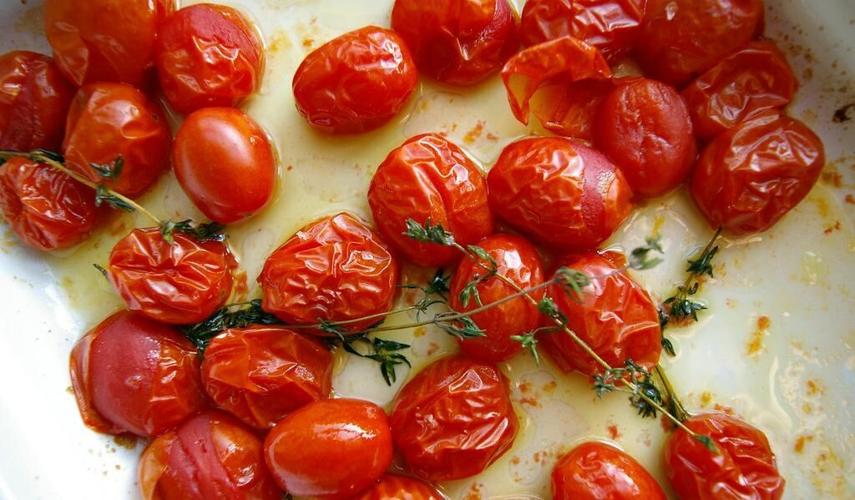
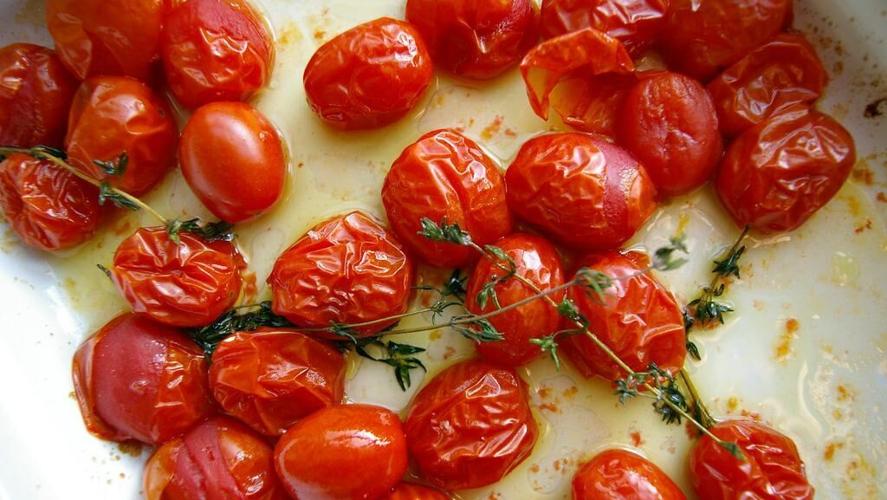
Diced? Sun-dried? Roasted? Fresh? A tomato is not just "tomato" when it comes to food labeling. Manufacturers must consider multiple factors when deciding how to list an ingredient in the ingredient statement, including ingredient forms. The recipe formula, processing methods, and consumer perception can all impact ingredient forms and thus must be taken into account.
As discussed throughout our ingredient labeling series, FDA regulations require that ingredients be listed by standardized name (when available) or by common or usual name, in descending order of predominance. When ingredients are available in multiple forms, or if the ingredient might change form during processing, the form must be considered when determining the common or usual name.
People are also reading…
For example, consider a recipe formula for tomato sauce:
2 lbs fresh roasted tomato
1 lb fresh diced tomato
½ lb canned diced tomato (with calcium chloride and citric acid)
⅓ lb tomato juice from concentrate (water and tomato juice concentrate)
¼ lb sun-dried tomatoes
When developing the ingredient list, one must consider:
- Does the processing affect the ingredient form? If the sauce is pureed and diced tomatoes are not visible in the finished sauce, identifying tomatoes as "diced" in the ingredient list is not accurate. Likewise, if the sauce goes through a heating process, using "fresh" to describe the tomatoes is also not appropriate.
- Can ingredients be combined? In this example, you can combine all three fresh and canned tomato ingredients and list them as "tomatoes," using the combined weight to determine the order of predominance in the formula. Alternatively, the roasted tomatoes, for example, could be listed separately if the manufacturer wanted to highlight a specific ingredient. The tomato juice and sun-dried tomatoes would each be listed by their standardized name ("tomato juice from concentrate") or common or usual name ("sun-dried tomatoes"), respectively.
- What are the sub-ingredients and how much do they represent in the finished product? The sub-ingredients in the canned diced tomatoes and reconstituted tomato juice must also be reflected in the ingredient statement using either the expanded approach (ingredient name followed by sub-ingredients in parentheses) or composite approach (each sub-ingredient incorporated into the overall ingredient list based on predominance by weight). If applicable, you may list these ingredients as part of a "less than 2%" statement.
As with many rules, a few exceptions apply. For instance, the FDA allows certain milk and egg products to be listed without specifying the form. Whether the milk or egg product is dry, frozen, reconstituted, concentrated, or liquid, the shortened name "milk" or "eggs" can be used in the ingredient statement.


